

· 5 min read
Each winter, southern right whales return to the Encounter Bay coastline to calve and mate in the sheltered waters where they were once hunted to near-extinction. Here is where to see them.
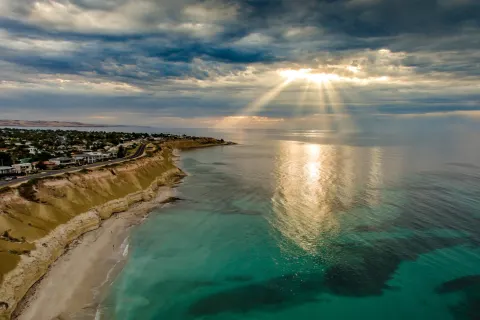
From May until October each year, southern right whales migrate north into the sheltered waters of Encounter Bay on the Fleurieu Peninsula. The whales come to calve and mate - the same bay their ancestors used for tens of thousands of years before the shore-based whaling stations of the 1830s-1850s almost wiped them out.
The population is slowly recovering. Sightings are never guaranteed, but if you pick a clear day in the right months and stand on the right clifftop, your chances are excellent.
The best lookouts
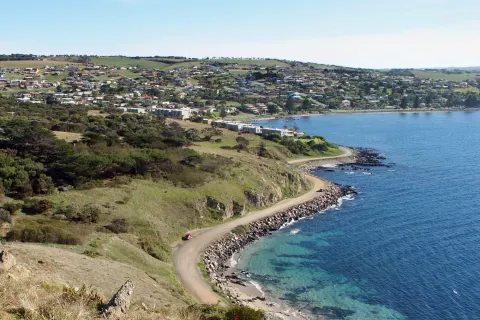
Rosetta Head (The Bluff) is the single best vantage point. The 97-metre granite dome above Encounter Bay was actually the site of a whaling station lookout in the 1830s - the men stationed here watched for whales to hunt. Today you can do the same walk for better reasons. The summit track takes 20-30 minutes one way and opens onto a sweeping view of the bay.
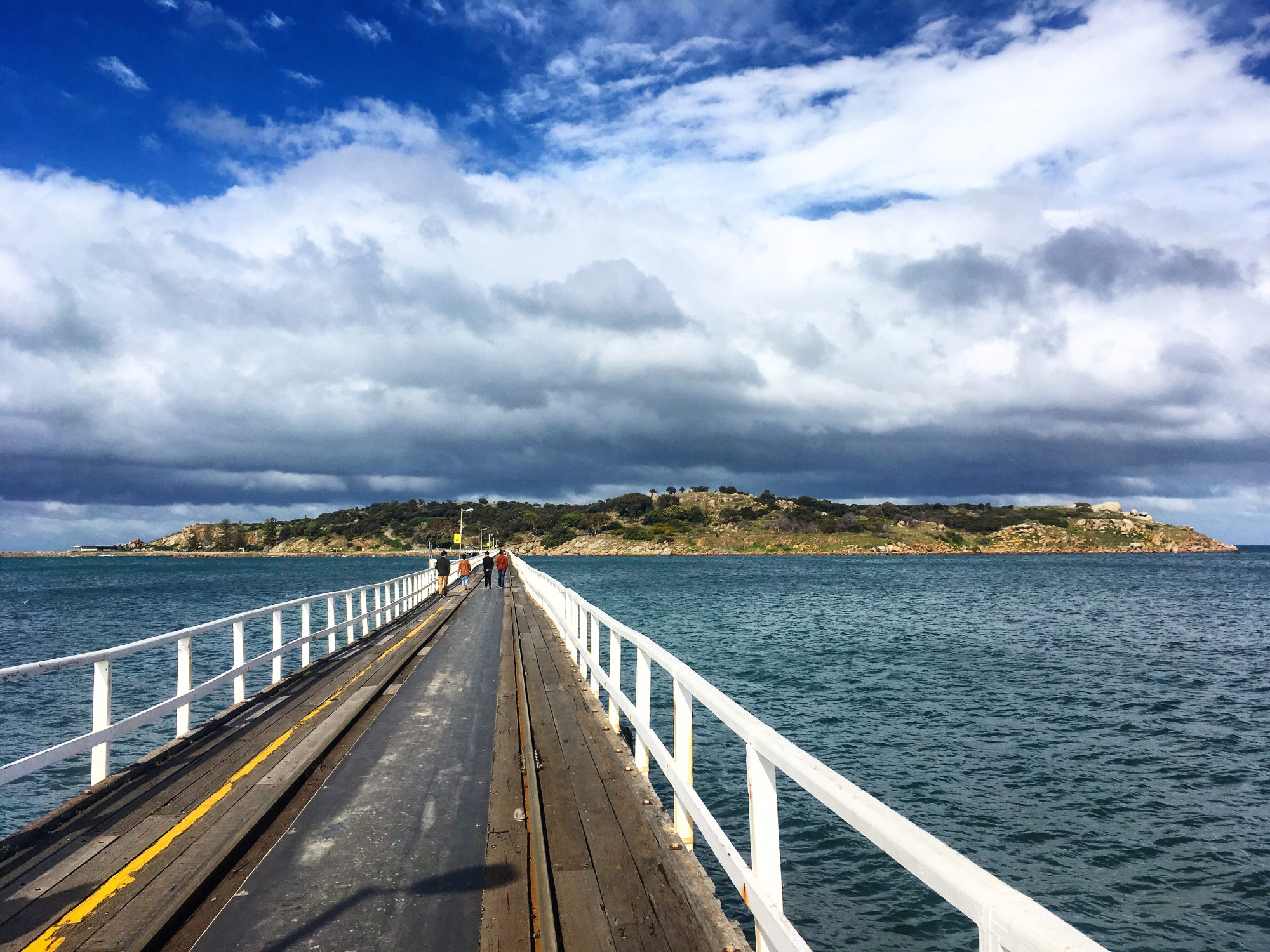
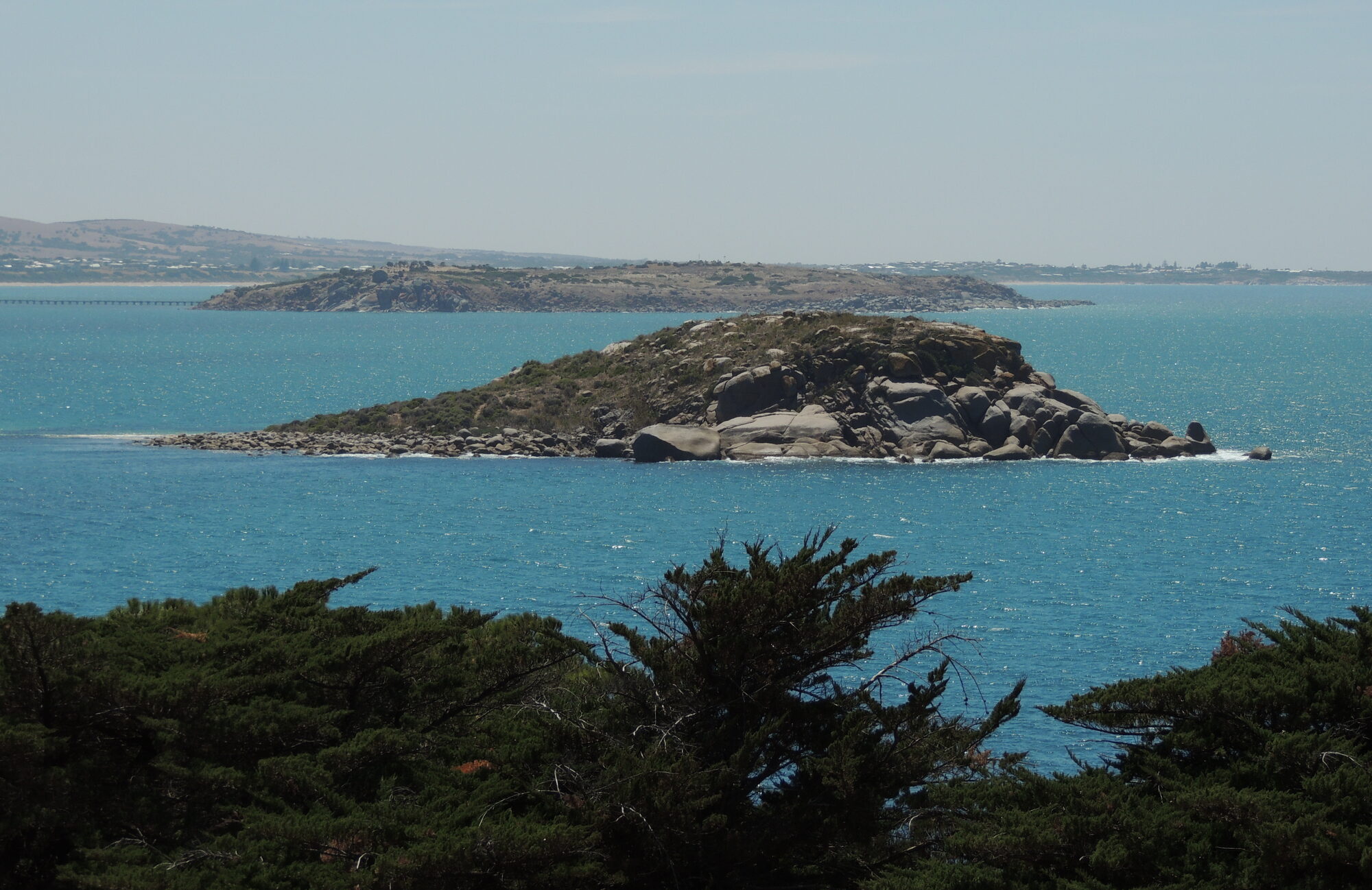
Granite Island via the causeway is another strong vantage point. The Kaiki Walk loop trail on the southern side of the island gives you an elevated perch directly over the bay.
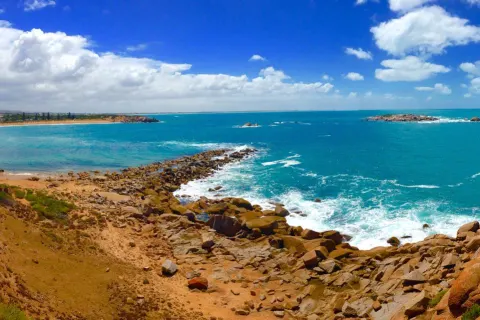
Waitpinga Cliffs (in Newland Head Conservation Park, a short drive west of Victor Harbor) is harder to reach but spectacularly high over the sea, and the rugged section of the Heysen Trail along the clifftop is one of the best walks on the peninsula regardless of whether you see whales.
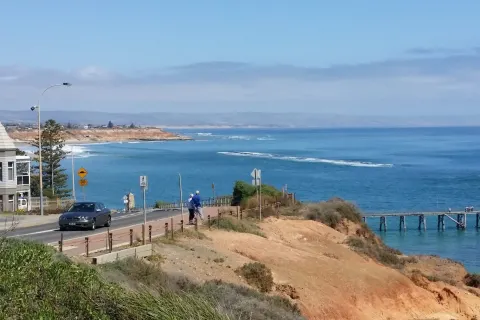
Port Elliot has several high coastal lookouts - Freeman's Nob and Commodore Point - where whales are regularly spotted from the clifftops in winter.
Further east, Middleton beach and dunes also offer a good view of the open ocean and whales passing offshore.
What you're looking for
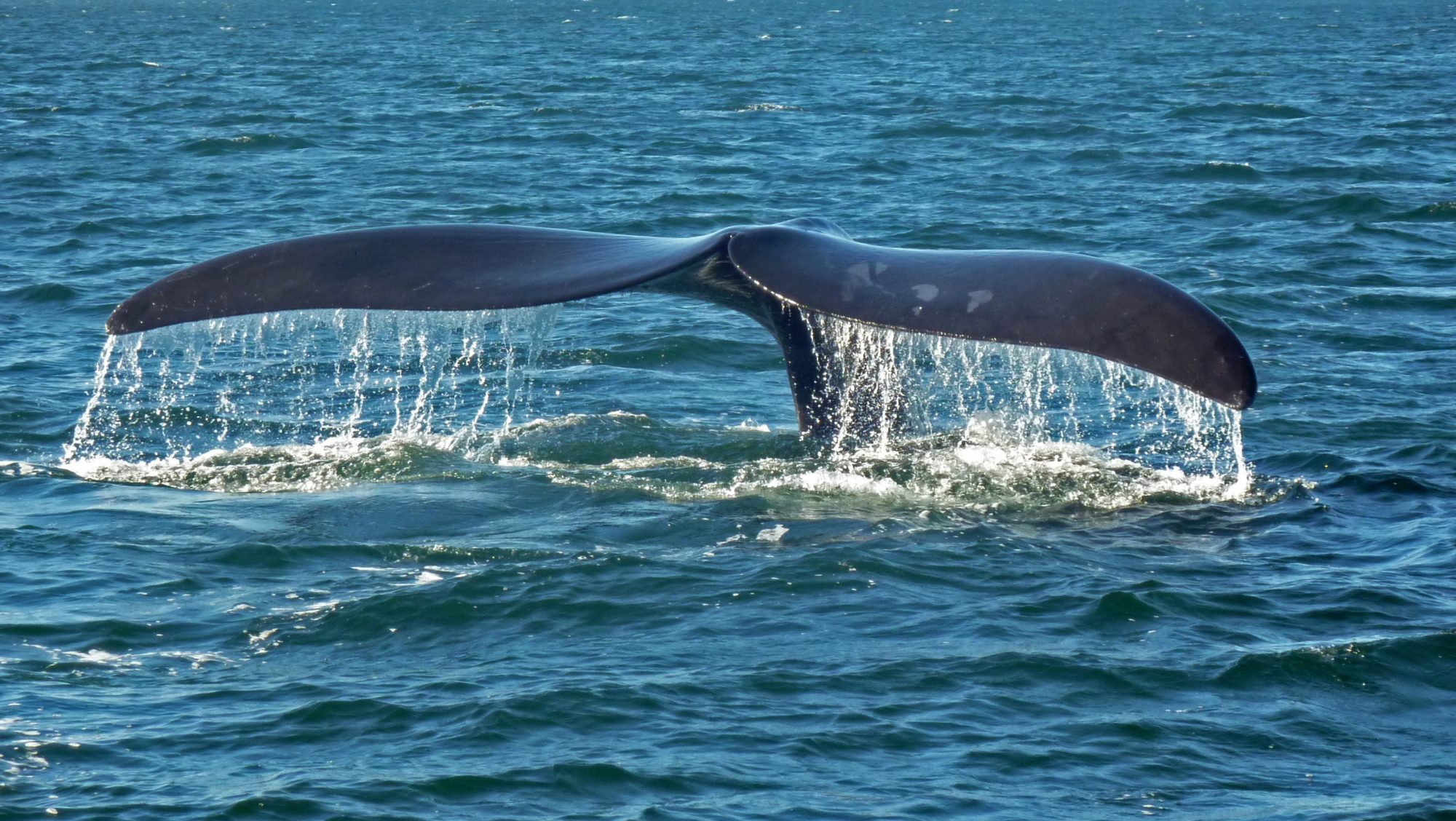
Southern right whales are large (14-17 metres), dark-skinned, and lack a dorsal fin - which makes their silhouette unusual. What you are most likely to see from land is a distinctive V-shaped blow of spray (unlike most other large whales which have a single plume), a dark back breaking the surface, and - if you are lucky - a breach, a tail slap, or a curious juvenile hanging around inshore.
The adults sometimes come astonishingly close to shore. Mothers with newborn calves are often in the sheltered shallows - within hundreds of metres of the beach, well within the range of binoculars or even the naked eye.
When to go
- May-June: first arrivals as whales migrate north
- July-August: peak season - cows and calves in Encounter Bay
- September-October: whales begin heading south again
- Mid-morning to mid-afternoon: calmer wind, better visibility
- Overcast days with low swell: paradoxically often the best for spotting - the water is flat and dark whale backs contrast against it
The SA Whale Centre
Before or after your walk, drop into the SA Whale Centre on Railway Terrace, Victor Harbor. The three-level interpretive centre has excellent exhibits on the biology, the history of whaling, and the Ngarrindjeri cultural relationship with whales. It also runs a live sightings log - a big chalkboard updated daily with whale reports from around Encounter Bay, which is exactly the sort of information you want before heading to a lookout.
What you must not do
Southern right whales are a protected species. Do not approach them from the water; boats must stay 100 metres away (or 300m if they have a calf). Drones require permits. Swim and kayak at your own risk well clear of any whale you spot - they are docile but enormous.
Let them come to you, from the land, with a thermos and binoculars. That is the Fleurieu whale-watching tradition and it works.